A blog dedicated to digital artists
Giveaway
〰️
Giveaway 〰️
We’re giving away a TourBox Elite Plus to one digital artist in our community!
If you’ve ever wanted a faster, smoother creative workflow, this might become your new favorite tool.
Enter the raffle by following the steps on our Instagram post — good luck!
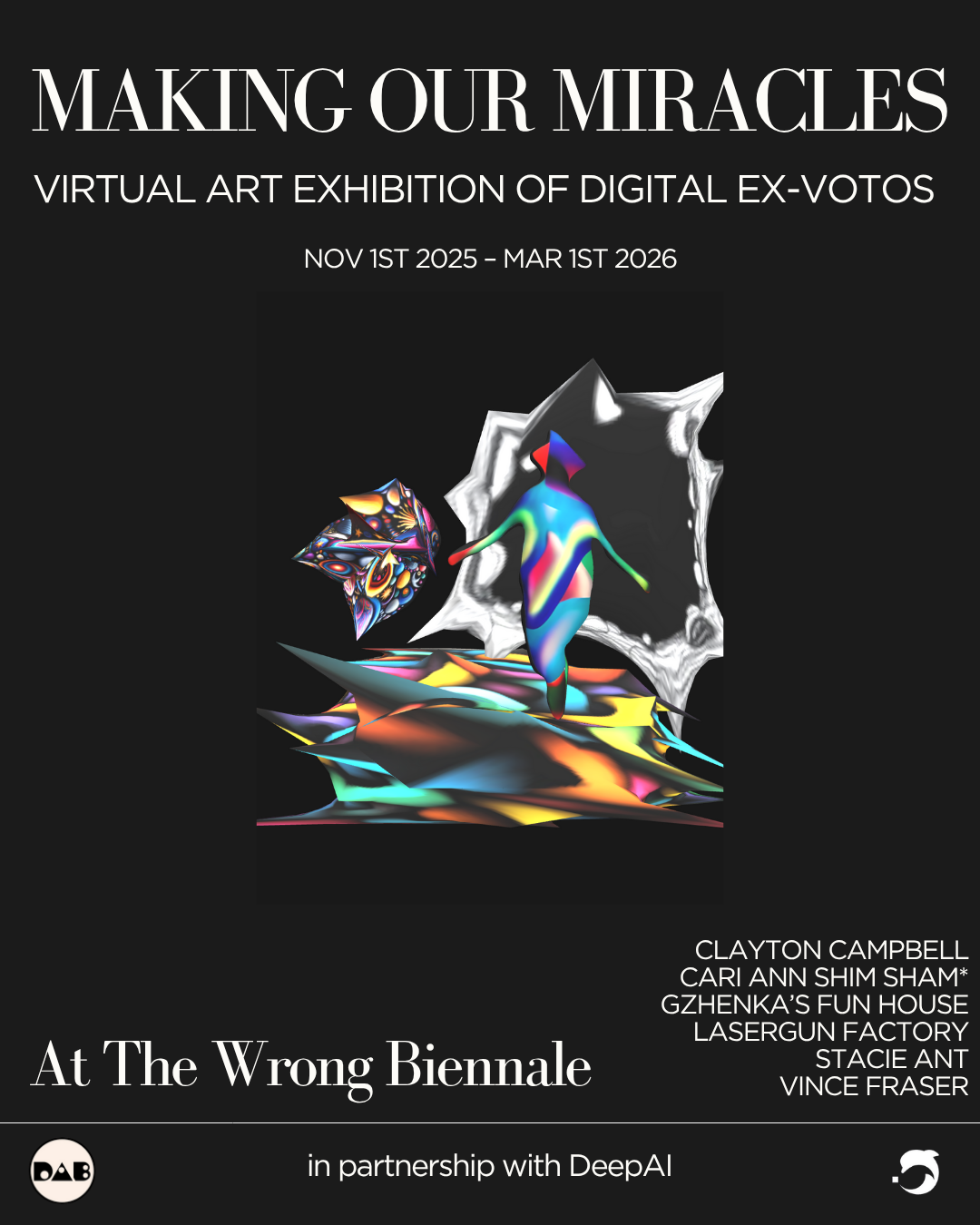
Making Our Miracles is live!
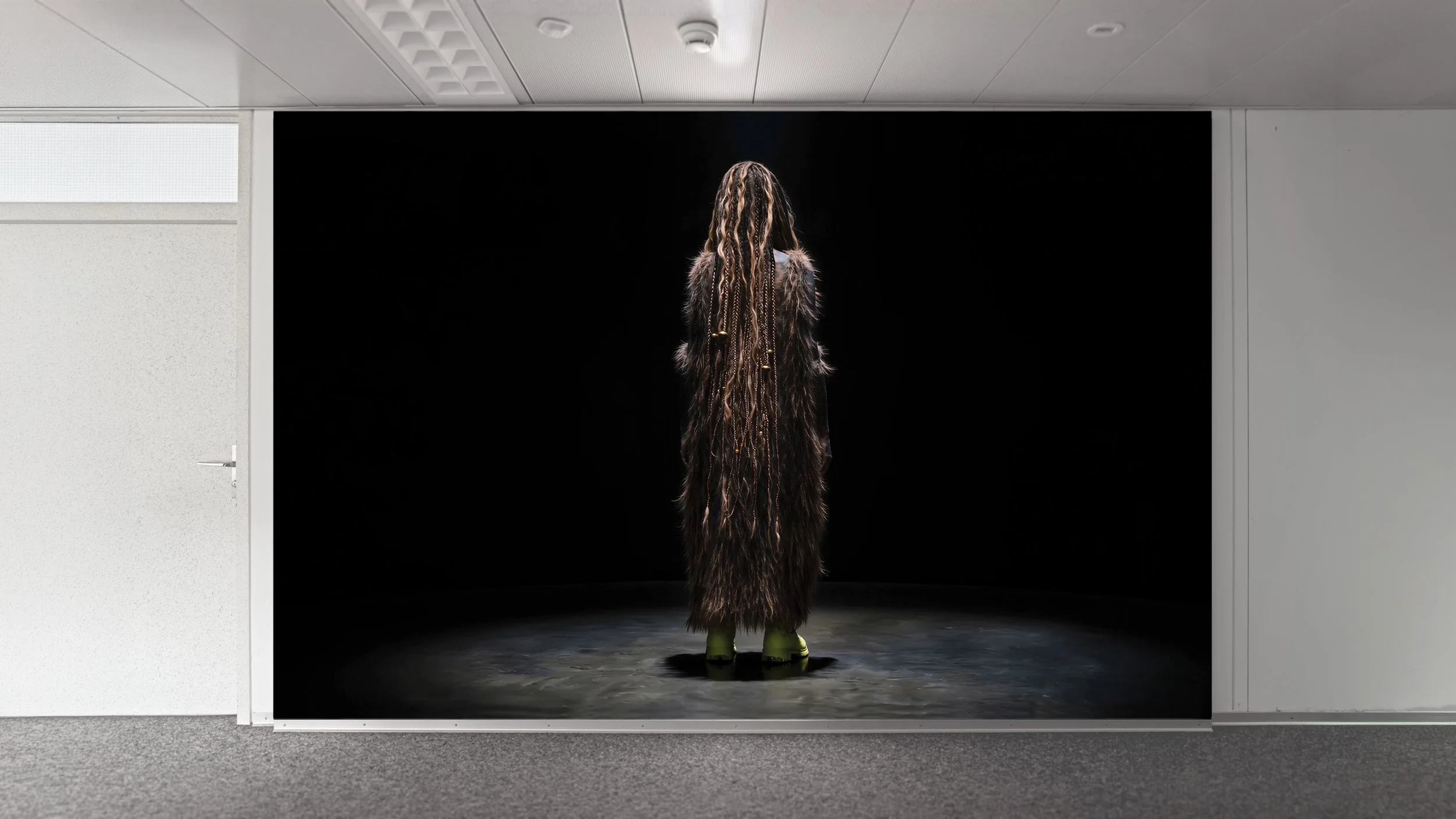
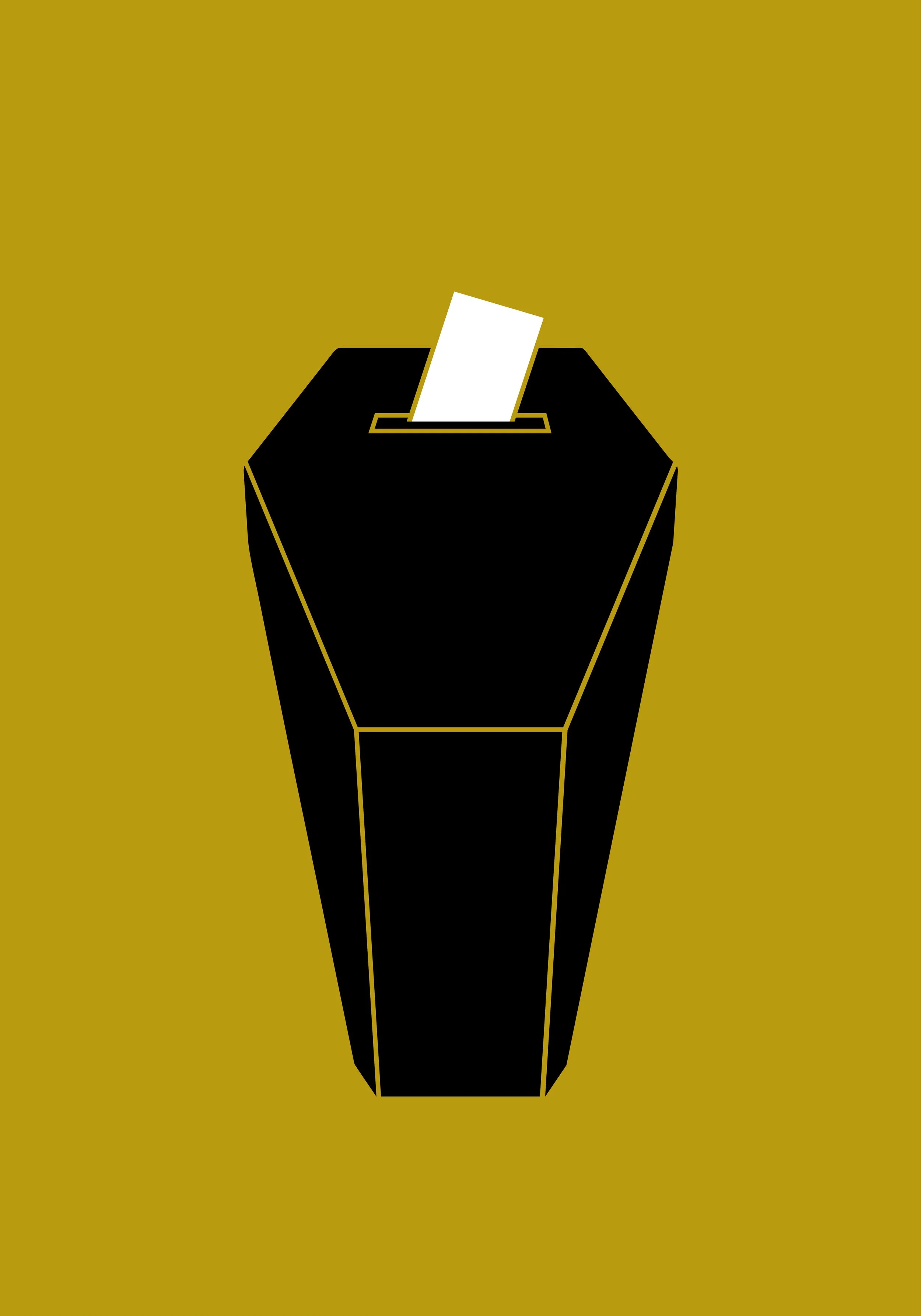
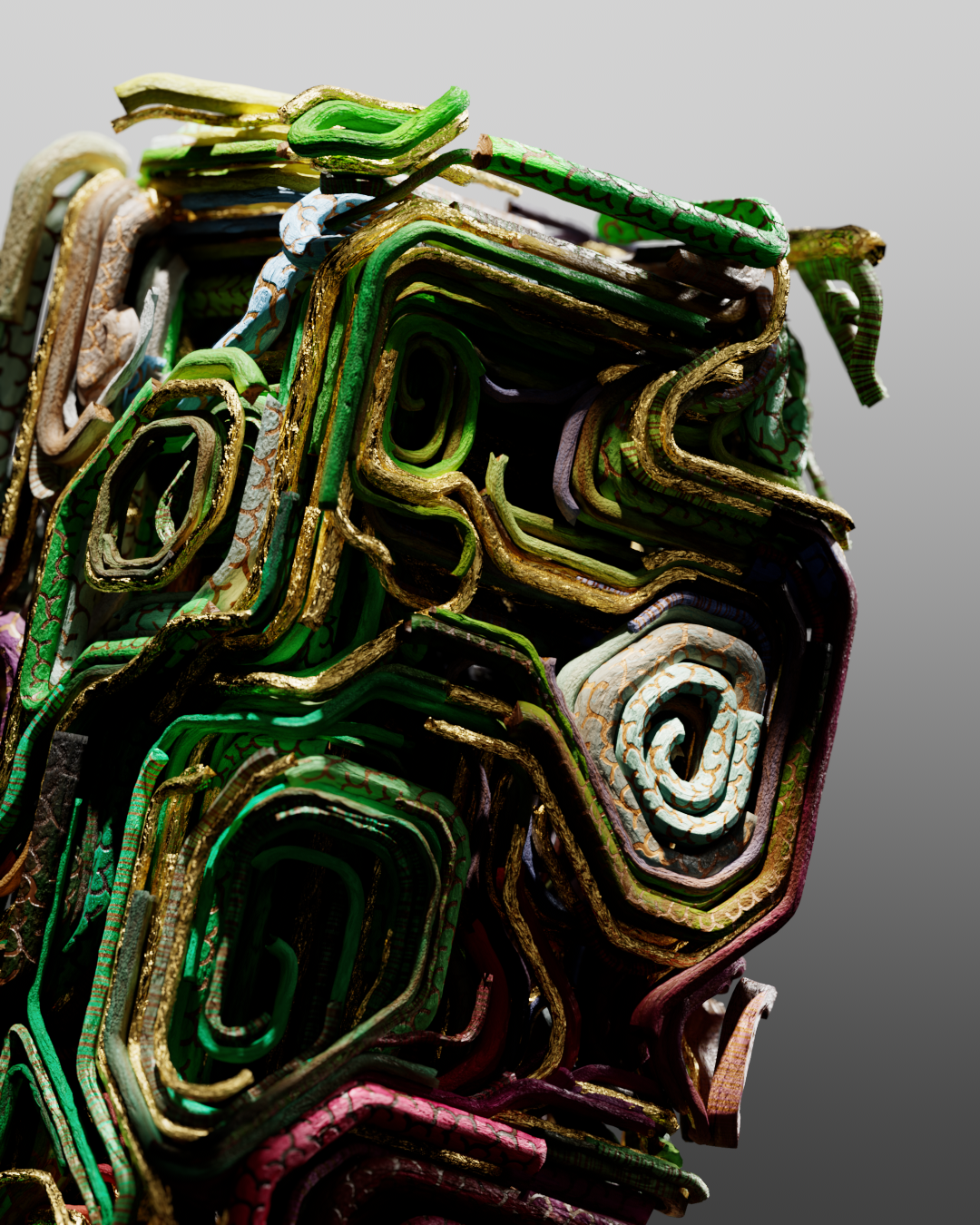
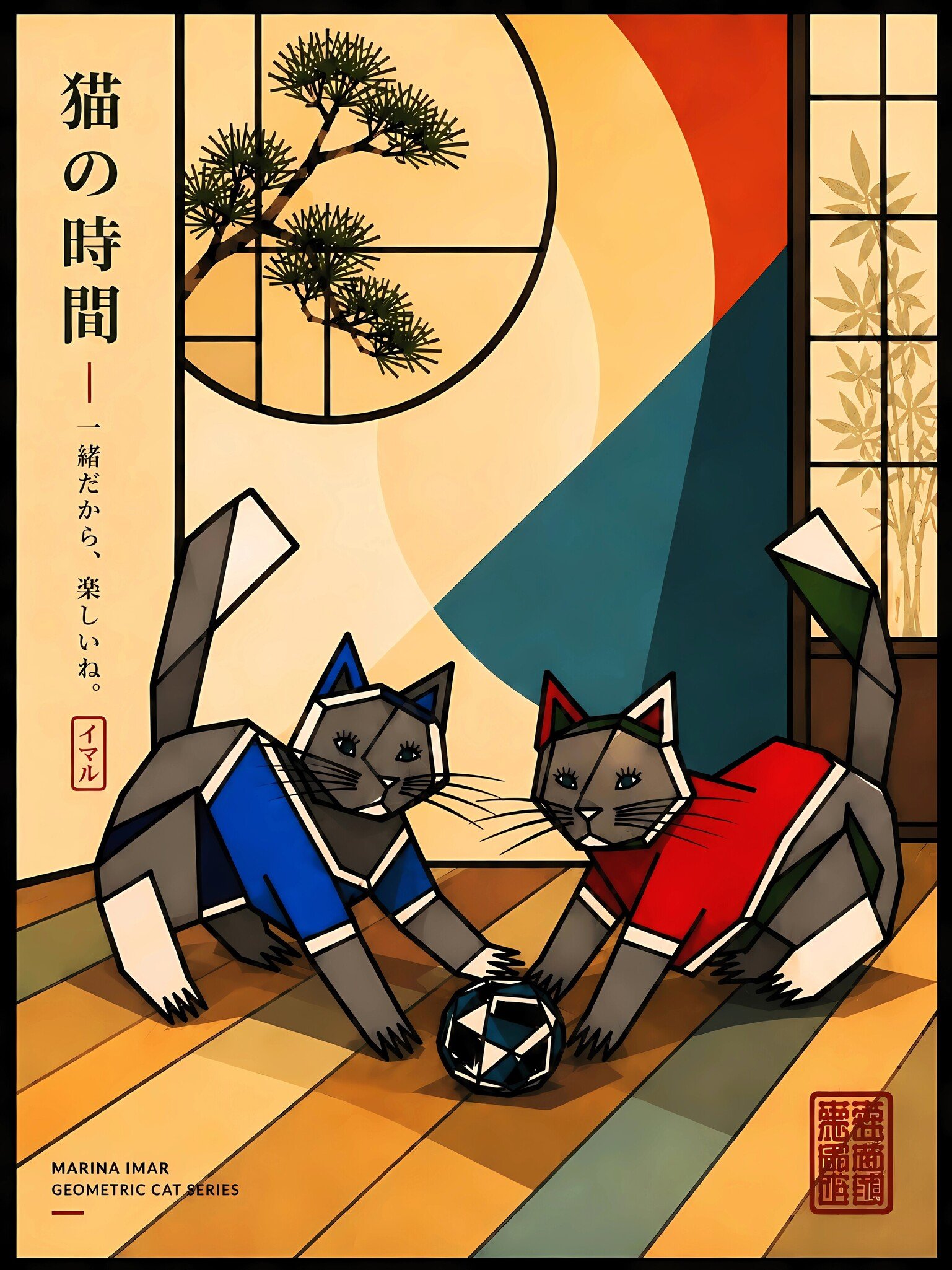
Making Our Miracles is a collaborative project by artist Clayton Campbell and curator Cansu Peker, who together conceptualized and are presenting a series of contemporary digital ex-voto art works created by a cohort of international artists using AI-assisted art in a unique participatory project.
Making Our Miracles is presented in partnership with DeepAI, and has been launched as part of the 7th edition of The Wrong Biennale, taking place from November 1st, 2025, to March 31st, 2026.
Alex Safavinia is an award-winning creative director and founder of Kasra Design©, an animation studio specializing in 3D animation and explainer videos. He began his career as a motion graphics artist in 2006 and later started freelancing as an animator just as explainer videos were gaining traction alongside YouTube’s rapid growth. Spotting the potential early, Alex began building a team of talented artists, which eventually evolved into Kasra Design© — now operating offices in Singapore and Malaysia.
Robert Richardson is a UK-based visual artist and writer whose practice moves fluidly between concrete poetry, constructivist abstraction, and digital image-making. Originally trained in Communication Design before later studying Education, he spent many years as a university lecturer before shifting his focus to independent creative work. He now produces artworks across media, with solo exhibitions in the UK, Germany, and Portugal, and his graphic art held in major collections including the British Museum, the Victoria and Albert Museum, the Tate Gallery Library and Archive, and the National Gallery of Australia.
Zoe Sophia is a Swiss-American illustrator and digital artist known for her imaginative creature characters and playful world-building. Over the past ten months, she has committed to drawing one original creature every day — a personal challenge that has grown into Creature Nation, an ongoing YouTube series with over 7,000 highly engaged subscribers and more than 1.1 million views. Her creatures emerge from wordplay, visual themes, and family lore, often inspired by her miniature dachshund, Esmé, her ultimate creature muse.
Feixue Mei is a designer, illustrator, artist, and educator from China, now based in Virginia, US. Her work often grows out of questions about whose stories get told, how they circulate, and what happens in the spaces in between cultures. She moves between client projects, books, installations, and self-initiated publications, with a particular interest in voices shaped by migration, diaspora, and cross-cultural dialogue.
almyre (Benoit Baudry) is a Professor of Computer Science and a generative artist based in Stockholm. In 2019, he founded the re|thread collective, a platform for exploring the intersection of software and art through generative projects, plotter art, the restoration of digital artworks, and collaborative NFT initiatives such as folkfigur.
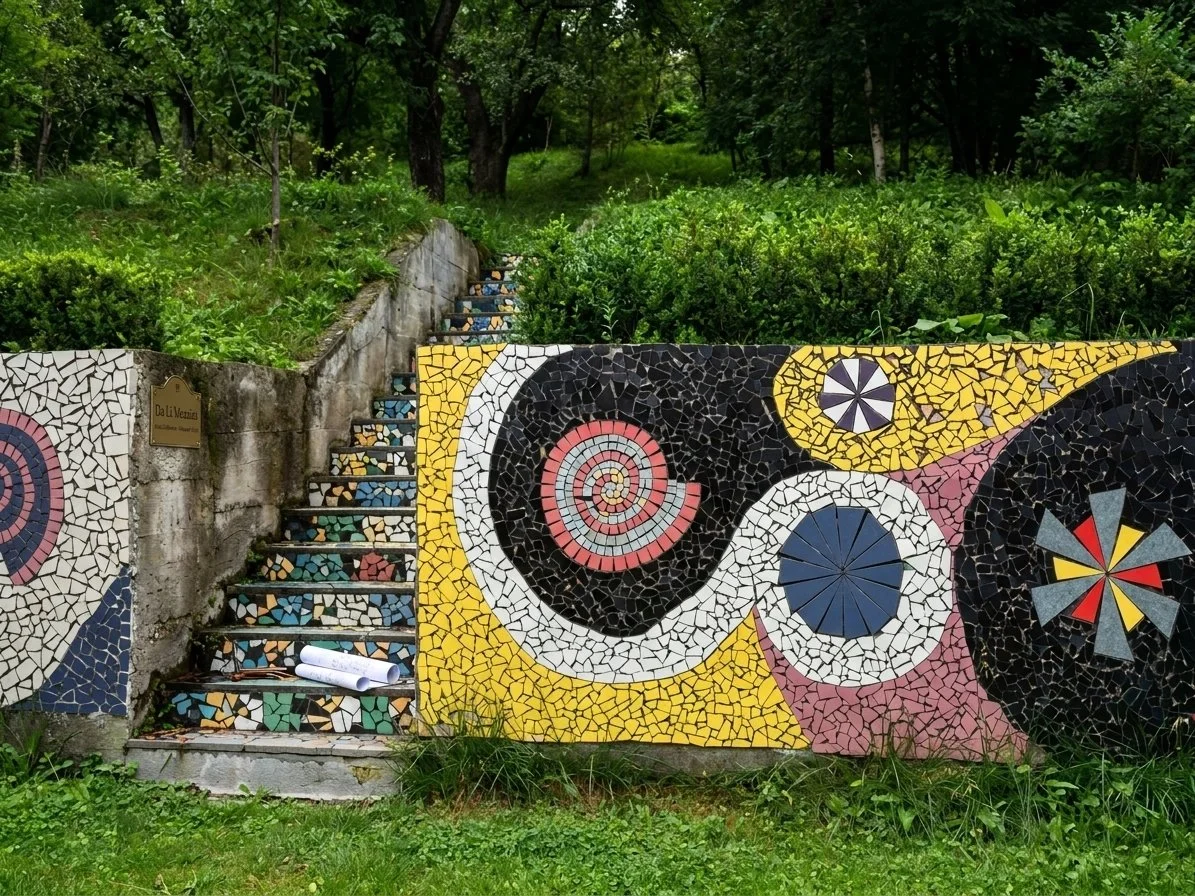
Di Lu is a visual designer working between Los Angeles and Beijing. Her practice sits at the intersection of design, culture, and storytelling, spanning typography, books, installations, and digital experiences. Moving between these two cities has shaped both her worldview and her visual language — one grounded in history, responsibility, and depth, the other fueled by experimentation, play, and creative risk. This constant negotiation between cultures shows up in work that feels poetic and emotional, yet bold and slightly off-balance.
Mizuki Tanahara is a London-based media artist who loves exploring the hidden systems that quietly shape how we move through the world — algorithms, data infrastructures, surveillance tools, all the invisible machinery behind our screens. Working across installation, moving image, data-driven sculpture, and performance, she creates research-led artworks that make these systems feel tangible, sometimes even emotional.
MarĂa Sánchez is an interdisciplinary artist based in Jupiter, Florida. Her work moves fluidly between traditional and digital painting, drawing, experimental poetry, and movement-based deconstruction. Drawing from psychoanalysis, quantum phenomena, mysticism, and technology, she blends paper, metal, and ink with digital techniques to create hybrid forms that sit between the organic and the synthetic. Her practice often reflects on the ways power structures shape perception, memory, and the unconscious, using both handcrafted and algorithm-inspired approaches to explore the blurred boundary between self and system.
Joe Karlovec is an interdisciplinary artist and writer based in Wilmington, North Carolina, whose work investigates the metaphysical charge of everyday architecture — those familiar, vernacular spaces that quietly hold layers of history, mythology, and social meaning. Over the past decade, he has built a nomadic studio practice while moving through Ohio, Florida, South Carolina, and now North Carolina, letting each place shape the way he observes, archives, and interprets the built environment. He currently works as the Facilities Coordinator for a museum, where he oversees the preservation of three historic buildings, a role that deepens his relationship with the structures that occupy his artistic imagination. His latest video work is set to debut in Korea at the Czong Institute of Contemporary Art in 2026.
David Miller is a UK-born visual artist whose work blends narrative, AI-assisted imagery, and painterly approaches to explore memory, ritual, and the quiet strangeness of childhood. A former filmmaker and scriptwriter, Miller creates cinematic scenes filled with emotional ambiguity, gentle ghosts, and half-remembered moments. His practice investigates the shifting boundary between what we recall, what we invent, and what continues to haunt us.
Natalia Titova is a digital artist specializing in literary-inspired digital collages. Since beginning her artistic practice in 2022, she has been developing a distinctive visual language shaped by her lifelong fascination with writers, their texts, and the emotional landscapes they create. Drawing on her background as a graphic designer, she embraces the freedom of pixels — a space without physical limits, where ideas can unfold, shift, and transform.
Tips & Tools
Fair concern, isn’t it? Lately, almost every digital artist I talk to asks some version of the same question, so I felt the urge to sit down and write about how I, as a curator who isn’t necessarily against artificial intelligence, think you can make your work feel original when AI art Is everywhere.
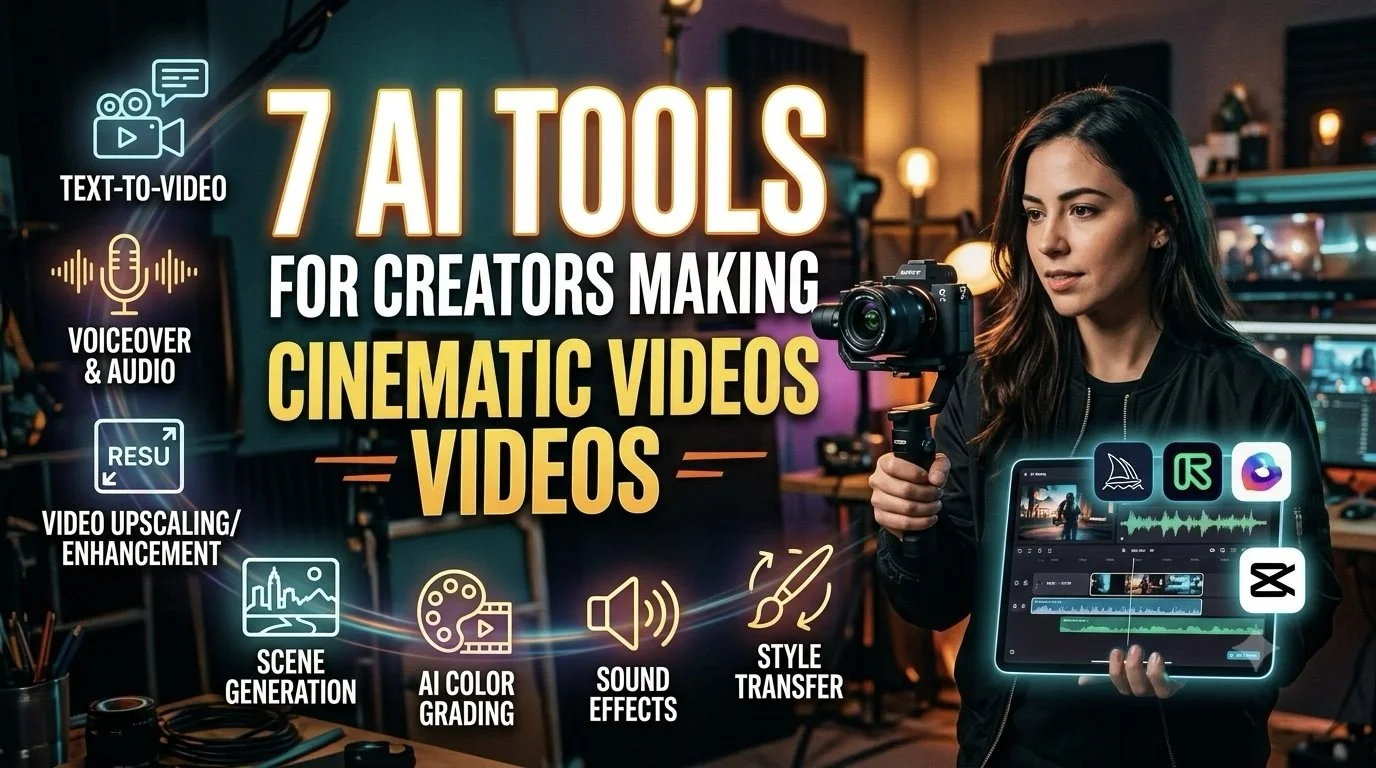
SLAPSHOT has launched Autopilot, the first fully autonomous AI system designed to rotoscope every layer in a shot, fully automatically. Autopilot is poised to supercharge post-production pipelines and revolutionize the VFX industry. Built for production-scale workflows, Autopilot marks the next major step in SLAPSHOT’s mission to remove bottlenecks from post-production by automating its most time-consuming tasks with an AI Roto tool capable of processing hundreds of shots per day. Autopilot is available both through the platform and via enterprise API for custom data environments and pipeline integrations.
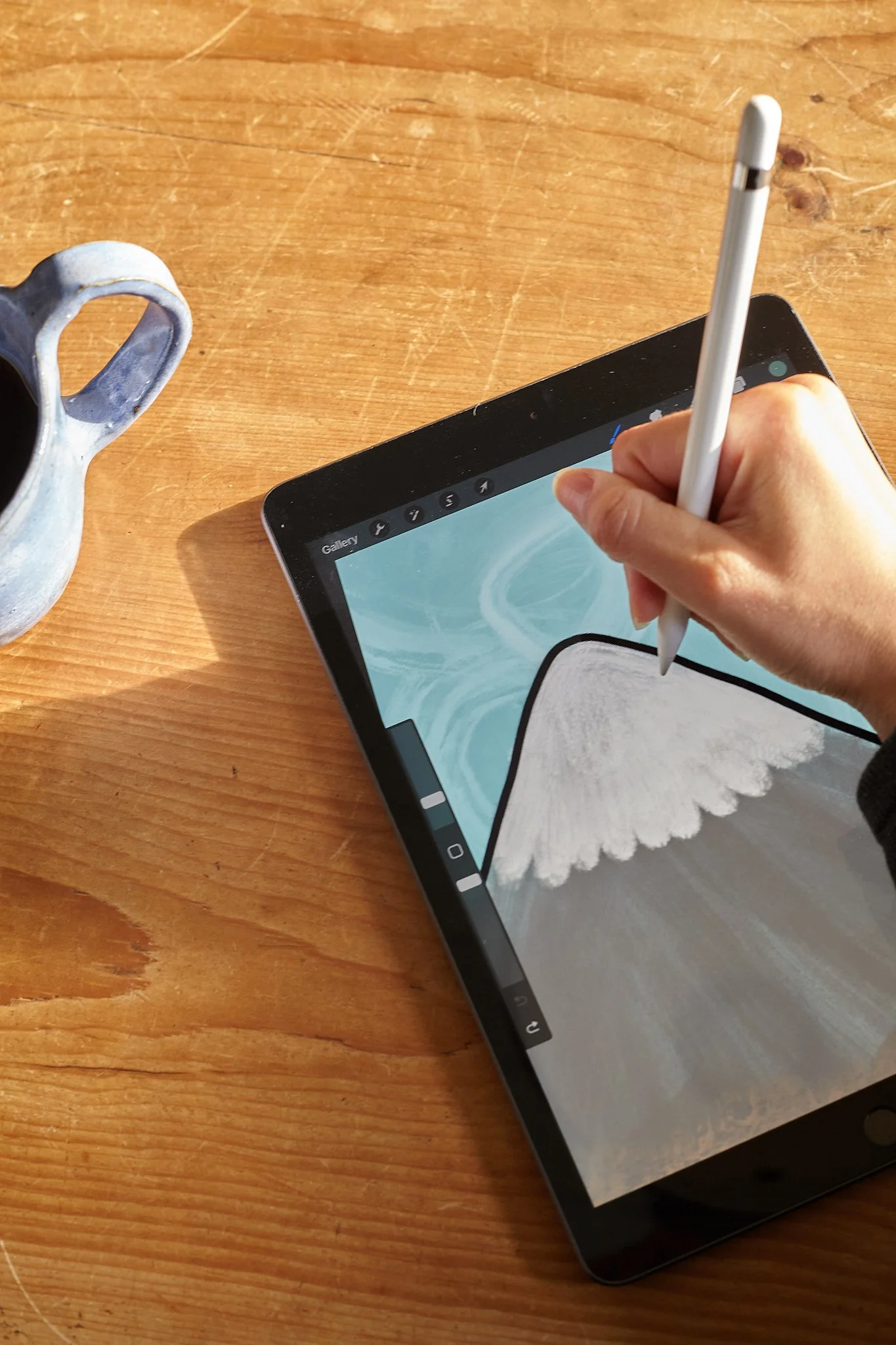
As a digital illustrator, I saw many people praising the TourBox controller online and couldn't resist buying their priciest model, the TourBox Elite Plus. So is TourBox suitable for digital artists? In this short review, I want to share my thoughts.
Many studios, freelancers, and creative teams want a warm and organized onboarding flow but struggle with limited time and capacity. Project work takes priority. Deadlines stack up. Active clients need attention. New inquiries often wait in between. This gap is where onboarding workflows break. An AI-powered virtual receptionist helps fill that gap with consistency. It becomes the steady voice that guides new clients through the first steps while creative teams stay focused on delivery.
The contemporary art market continues to face challenges in 2025 and 2026, with many galleries reporting slower sales compared to the peak years of 2021-2022. However, galleries that have invested in online strategies are discovering new ways to reach collectors and generate revenue beyond traditional methods.
Today, United States Artists (USA) announces fifty 2026 Fellows alongside the Berresford Prize recipient as the organization commemorates its 20th Anniversary. The USA Fellowship, an award of $50,000, grants artists the freedom to allocate funds to their unique needs—whether towards expanding their practice, covering living expenses, accessing healthcare, or investing in their communities. The Berresford Prize is a $50,000 annual award honoring a cultural practitioner for their significant contributions to the advancement of artists in society.
As the year wraps up, I love to pause, look back, and appreciate what we made possible together. 2025 at Digital Arts Blog was full of conversations, exhibitions, and showing up for digital artists. And I have you to thank for that!
When we’re trying to get a sense of where digital art and design are headed in 2026, we aren’t talking about one single style or aesthetic. There seems to be more of a shift blending tech, craft, humanity, and storytelling. Across studios, creative directors, and forward-looking artists, a few themes keep coming up again and again. Some are extensions of the last few years, others feel brand-new, but together they paint a very clear picture of what the next wave of digital art will look like.
In an AI-first world, asking a simple question about an artwork or artefact often means an invisible system answers on behalf of the people who actually hold the knowledge. And the cultures most in need of accurate representation are often the ones AI gets wrong. But a shift is underway. Museums, artists, and communities are reclaiming their voice by building guides grounded in their own research and perspectives. In Guatemala City, a Mayan museum is already showing what this can look like — visitors ask real questions, experts answer in real time, and cultural knowledge stays with the people it belongs to.
If you’re a digital artist feeling unexpectedly burned out on music, you’re not alone. After years of listening to everything from Taylor Swift to classical playlists during my art sessions and long drives, I hit a wall — and that’s when I discovered audiobooks. In this article, I share why audiobooks are perfect for digital artists, how they fit effortlessly into your creative workflow (think rendering, sketching, commuting, and studio routines), and how they can boost your productivity, focus, and creative inspiration. Whether you’re curious about the best audiobooks for artists, looking for a new way to stay inspired while creating, or wanting a screen-free source of storytelling, audiobooks might be the creative companion you didn’t know you needed.
Ouch is a curated catalog of vector and high‑resolution raster artwork. Think complete styles rather than one‑off pictures. You browse by style, topic, and use case, then download in SVG for editing or PNG for drop‑in use. Each style is a coherent system with consistent line weight, color logic, and proportions, so banner art, empty states, onboarding, and help pages feel like they belong to the same product.
I recently put together a presentation for a talk about digital art at my local library, introducing our community to the wonders of digital art and realized… we don’t actually have a simple, comprehensive article like this on Digital Arts Blog. So here it is — a written version of that talk, with a little more depth and hopefully enough clarity and to make the whole world of digital art feel less mysterious.
Exhibitions & Events
On January 17th, I attended ¡Harken!, an interactive performance, presented by Modesto “Flako” Jimenez as part of Under the Radar’s annual Under Construction program in Tribeca. This bold collaboration between Media Art Xploration (MAX) and Onassis ONX bridges the gap between humanity and technology, interweaving the past with the present through the use of generative AI.
Onassis ONX anchors the foundation’s 2016 global theme on families by debuting TECHNE: Homecoming, a multimedia exhibition exploring the biological, mythological, and digital bonds created by the multifaceted landscape of identity and kinship. On Thursday, January 8th, I had the honor of attending Onassis ONX’s inaugural exhibition, which features six talented revolutionary artists who have peerlessly blended art and technology to craft stories relaying the connectivity among humans to physiology, culture, and myths.
L’Alliance New York is thrilled to announce the full slate for the 2026 Animation First Festival, now in its ninth year. Created in 2018, Animation First is the largest animation festival in the U.S. (and the only francophone animation festival). Running February 3-8, 2026, this year’s festival will focus on Belgian films, featuring both classic and new works from all manner of Belgian filmmakers.
Titanic: Echoes from the Past is an immersive virtual reality experience by Eclipso that invites visitors to explore the Titanic like never before. Blending historical research, cinematic storytelling, and cutting-edge VR technology, the experience takes you 3,800 meters below the Atlantic to the shipwreck before transporting you back to the Titanic’s maiden voyage in 1912. Through an engaging narrative, interactive environments, and meticulously reconstructed details, Titanic: Echoes from the Past offers a powerful and educational way to rediscover one of history’s most iconic tragedies.
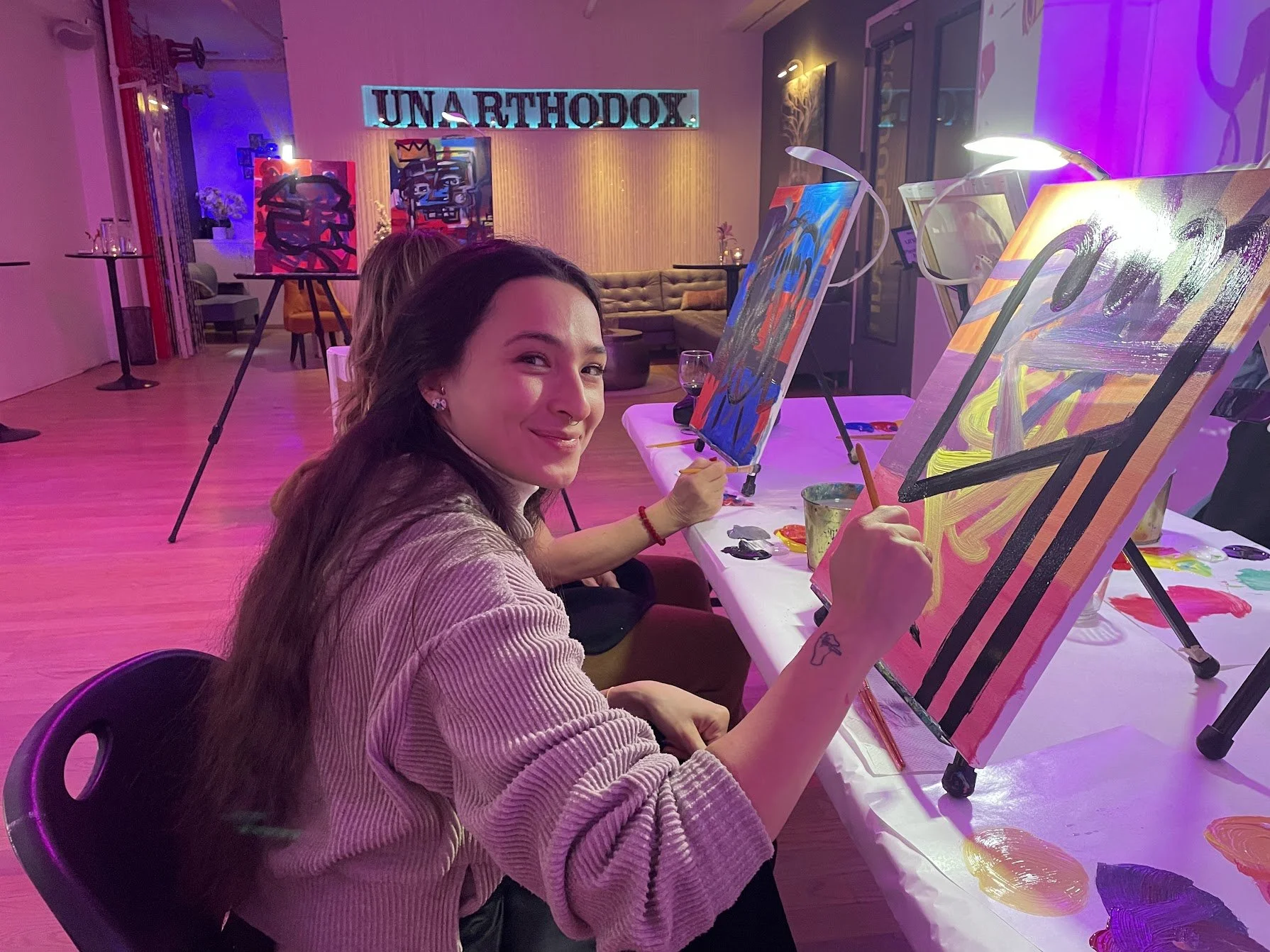
There’s something about Unarthodox events that gently remove you from real life. You walk in expecting a fun art activity, and you walk out realizing you completely forgot where you were, what time it was, and everything waiting for you outside the studio. Brunch with Monet does exactly that, in the most delightful way.
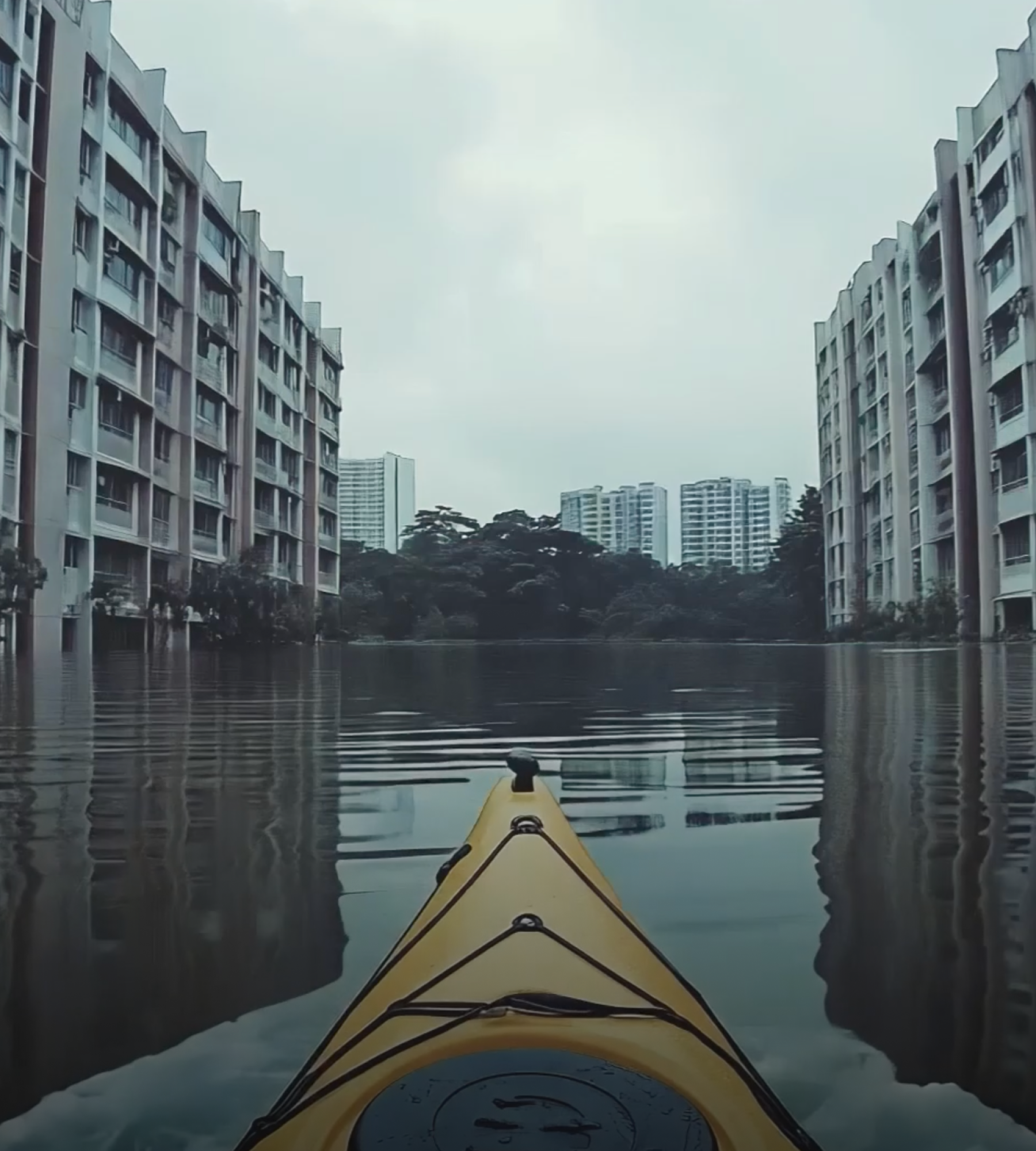
Vesna is a generative AI film by creative duo Kate Ryan Brewer and Cody Gallo, set in the year 2056 after a global nuclear conflict. The story unfolds in a fractured Norway, where Oslo has been destroyed and cities like Bergen continue to function amid constant instability and shifting control.
On December 4, 2025, MoMA PS1 hosted Archival Thinking: Artist Archive Symposium, a full-day gathering that brought together leading thinkers from the worlds of art, archives, and the humanities. Jointly organized by the Asian Cultural Council (ACC) and the Cai Foundation, with support from the Rattray Kimura Foundation, the symposium offered an illuminating look at the evolving role of artist archives in contemporary practice. Cultural curator and moderator Paul Holdengräber guided the day’s conversations with his signature depth.
Archival Thinking: Artist Archive Symposium will be held on December 4, 2025, at MoMA PS1 in New York. Jointly organized by the Asian Cultural Council (ACC) and the Cai Foundation, with the support from the Rattray Kimura Foundation, the symposium will be curated and moderated by Paul Holdengräber. The event will take the form of a full-day forum bringing together distinguished speakers from the fields of art, archives, and the humanities to explore the contemporary significance and potential of artist archives, followed by a reception.
Prague’s Neo-Renaissance Market Hall, once the city’s hub of trade and industrial elegance, has reopened as Signal Space, the city’s first permanent immersive art gallery. More than a gallery, it signals Prague’s shift toward forward-looking experimentation, embracing contemporary creativity alongside its rich history.
On November 19, the Asian Cultural Council (ACC) presented ACC Voices: Art, Technology, and Us — a compelling dialogue exploring the dynamic intersection of art, technology, humanity, and cross-cultural exchange. ACC Executive Director Judy Kim introduced two visionary practitioners leading this conversation: Carrie Sijia Wang, a socially engaged artist whose practice investigates human-machine relationships through software, video, and participatory experiences; and Billy Clark, Artistic Director of CultureHub, who brings over 25 years of experience developing innovative programs at the nexus of performance and technology.
DigiAna Matsuri can only be described as a communistic ceremonial gathering of the arts. Everyone involved worked hard to make this communal event, celebrating talented New York artists, a success. Every artist embodied who they were through their work, and I am honored to have had the opportunity to experience so much artistic ingenuity.
Have you ever wondered what it would feel like to step into a virtual simulation? Well, students and collaborators at the Digital Storytelling Lab invited participants to enter a world of glitches, doppelgängers, and shifting realities. On November 10th, I had the opportunity to attend "Post-Reality: A Prototype from the Edge of the Internet," a live experiment hosted at the Elinor Bunim Munroe Film Center.
Artist Spotlights
Discover the remarkable talents of digital artists from all backgrounds and practices, and learn more about their stories and inspirations
Exhibitions & Events
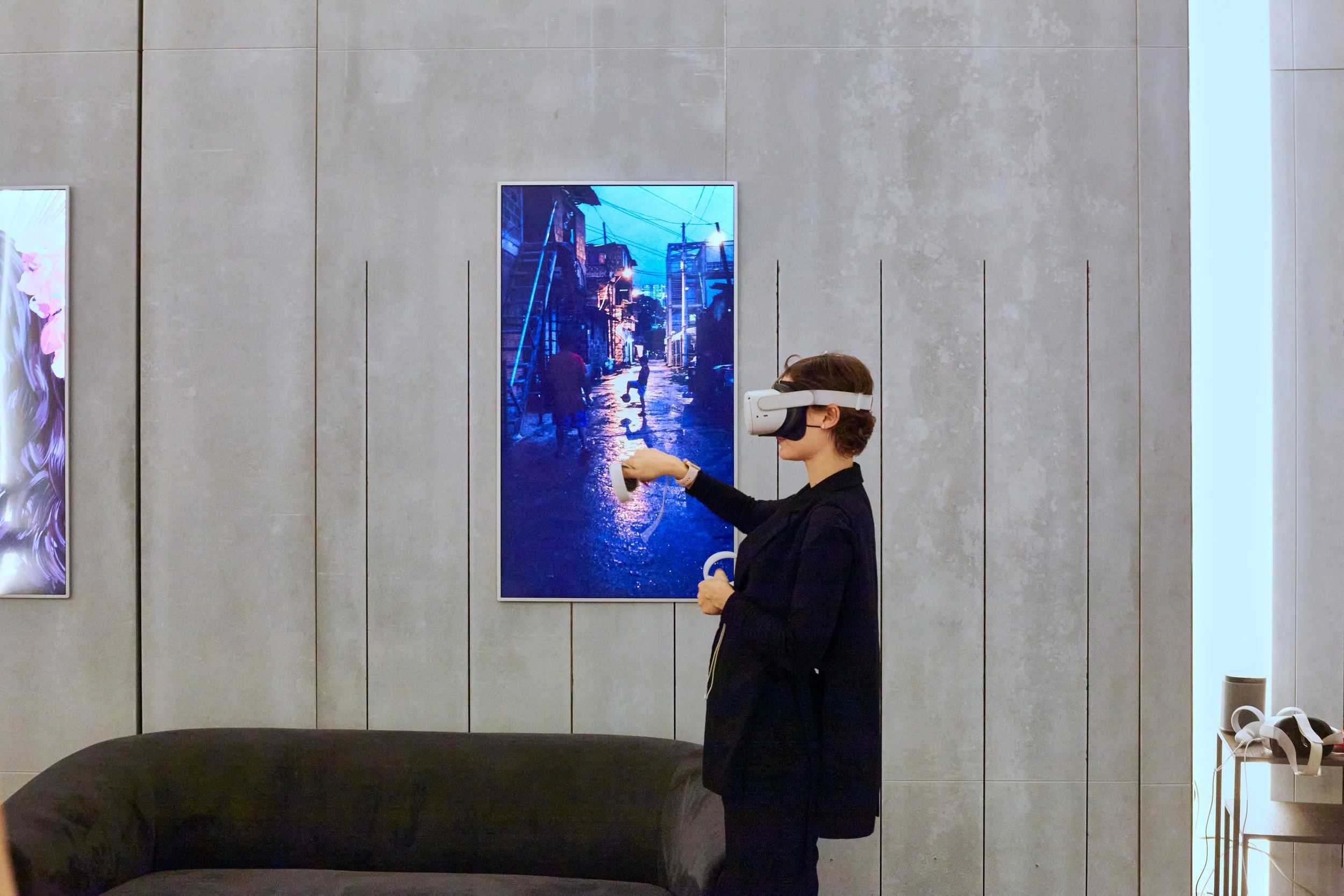
Stay in the loop with insightful reviews and commentary on the latest events and exhibitions in the digital arts world
Tips & Tools
Learn about the fundamentals of different forms of digital art and find essential tools and valuable guidance to build a thriving career as a digital artist

DAMN TRUE works at the intersection of digital decay, memory, and emotional distortion, building a visual language from personal archives, neural glitches, and the raw textures of everyday life. Rooted in contemporary Russian urban experience, his still lifes and portraits hover between presence and disappearance, irony and grief — inviting viewers to sit with discomfort, notice what image culture often smooths over, and find beauty inside the broken.